Private Label, White Label, Wholesale partnerships available - EU, USA and UK - Free shipping from €75

Blog
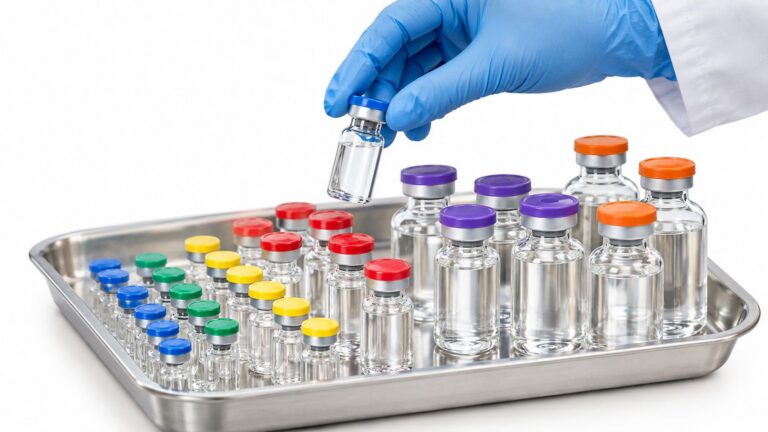
Sterile Glass Vials: A Practical Buyer’s Guide for Labs
A researcher removes a 10 mL vial of reconstituted peptide from the refrigerator, prepares the second withdrawal of a planned multi-dose series, and pauses before puncturing the stopper. Has the septum resealed properly? Could a rubber core or glass particle…
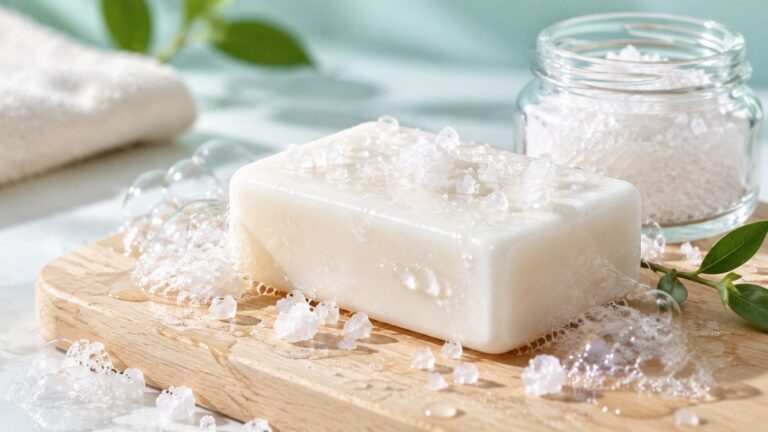
Sodium Chloride Soap: What It Is, Uses, and Safety
A sodium chloride soap formula usually uses common table salt as a processing aid or texture modifier, not as the cleansing agent. Salt can separate soap from glycerol during manufacture, firm some bars, and alter liquid-soap viscosity, but the right…
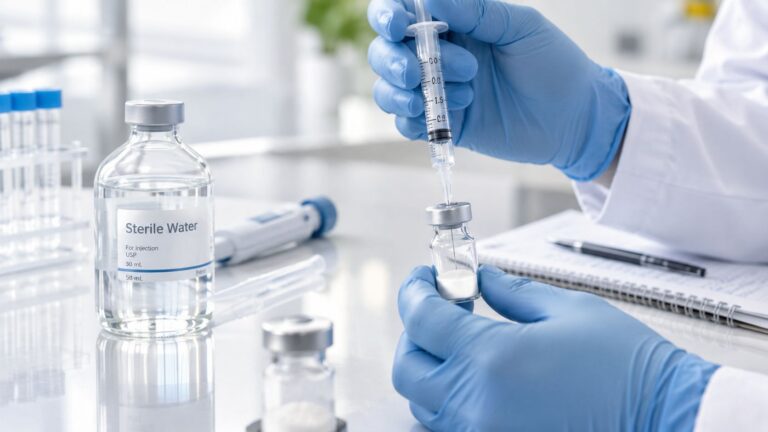
How to Mix Peptide Powder Safely and Accurately
A vial of lyophilized peptide sits on the bench, the calculated volume is in the syringe, and the temptation is to push the liquid in quickly and shake until the powder disappears. That shortcut can leave a researcher with uncertain…
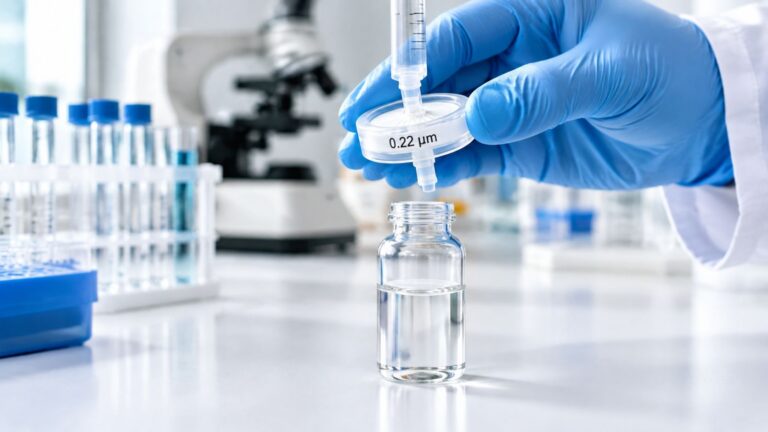
What Is a 0.22 Micron Filter Used for in Labs
A 0.22 micron filter is used to sterilize aqueous solutions by removing bacteria and particulates during lab production and research workflows. It provides a physical filtration barrier for buffers, diluents, media components, and other liquids that must move into a…
Bacteriostatic Water UK Guide for Safe RUO Use
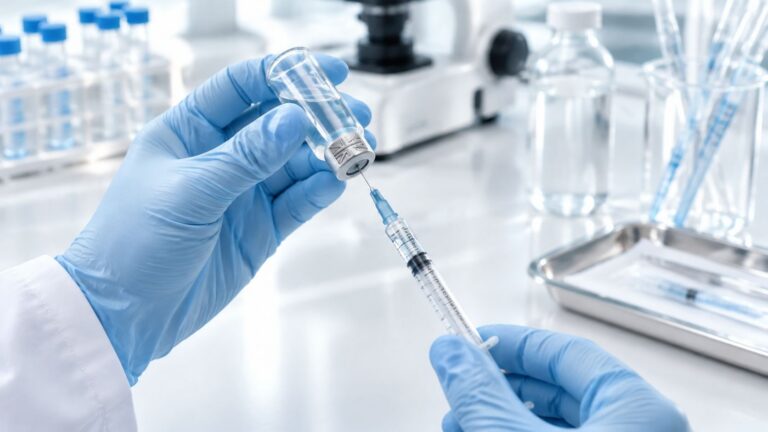
A UK research team has a lyophilised peptide ready for reconstitution, a clean bench prepared, and a schedule built around repeated withdrawals. The remaining decision seems simple: choose a sterile diluent, add it to the vial, and record the preparation.…
Selecting 10 Ml Glass Vials: A 2026 Buyer’s Guide
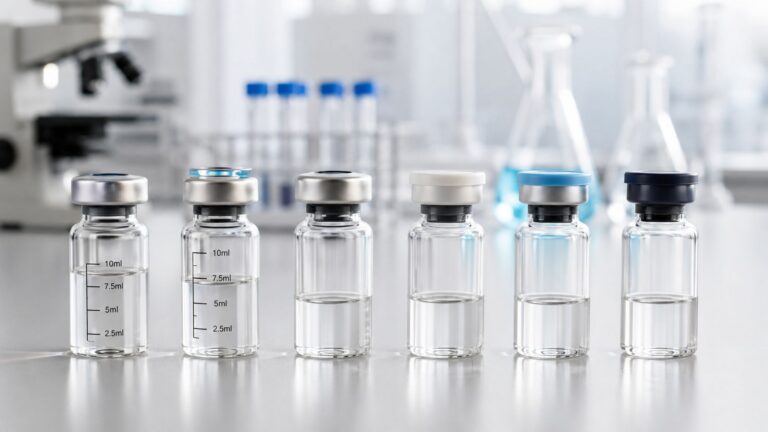
A researcher opens a shipment of 10 ml glass vials before a peptide reconstitution run and finds three labels that appear interchangeable: 10R, 10H, and “10 ml.” The stoppers fit some vials but not others, the closure options vary, and…
Sodium Chloride Water: A Practical Lab Guide for 2026
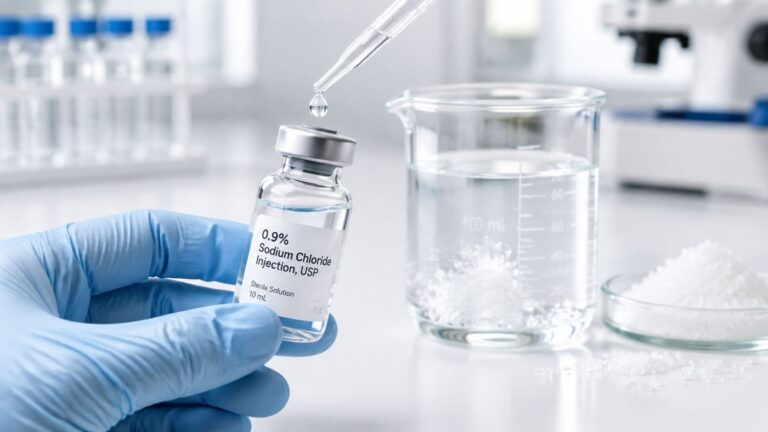
A researcher has a freezer-cold vial of lyophilized peptide on the bench, a sterile syringe ready, and two plausible diluents within reach: 0.9% sodium chloride water or bacteriostatic water. The choice can look routine, but it affects reconstitution behavior, ionic…
2ml of Water Explained Weight Drops and Lab Measuring
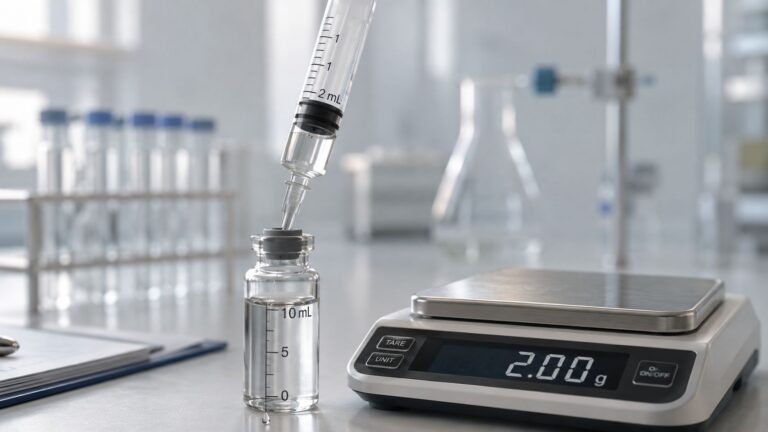
A small vial sits beside a syringe, and the label calls for 2 mL of water. The volume looks too small to deserve much attention, yet a slightly inaccurate draw can change a working solution, especially when the next step…
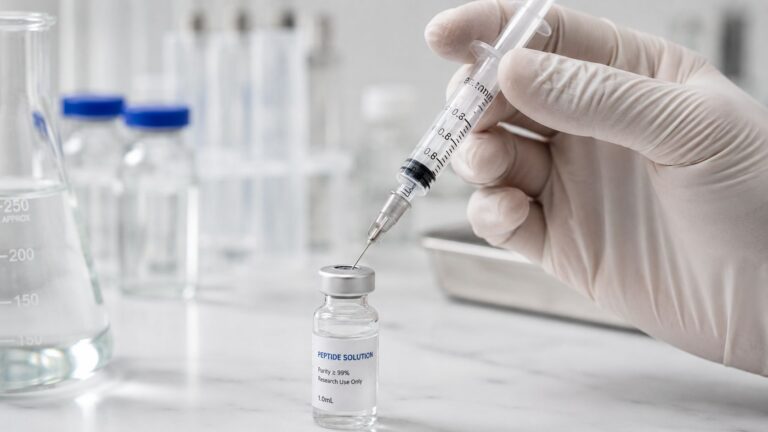
1 Cc Luer Lock Syringe: A Practical Guide for Labs
A researcher pauses at the peptide workstation with a 1 cc syringe in hand. The vial contains a small amount of lyophilized material, the diluent is ready, and the next decision seems simple: draw the required volume and continue. Yet…
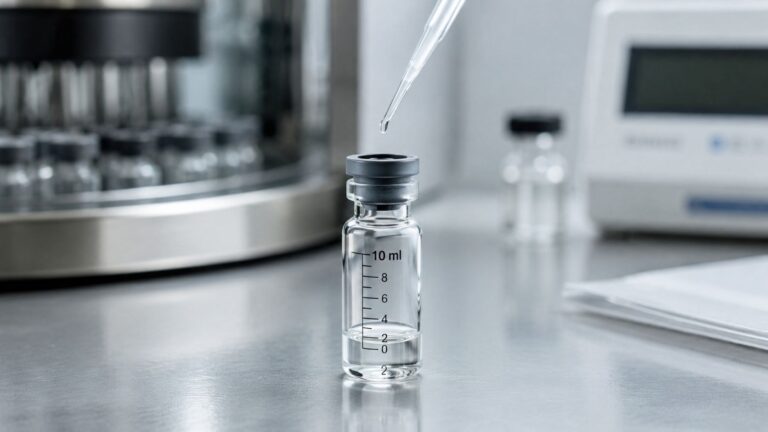
10 Ml Glass Vial Guide for Lab and Peptide Use
A researcher has a lyophilized peptide on the bench, a measured volume of diluent in a syringe, and a 10 mL glass vial that looks interchangeable with the others in the cabinet. It isn't. The vial's dimensions determine whether the…
See our privacy policy.