Private Label, White Label, Wholesale partnerships available - EU, USA and UK - Free shipping from €75

Blog
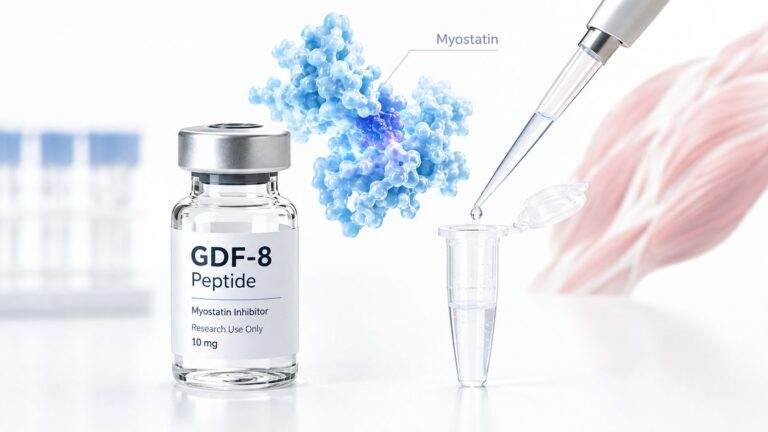
Gdf 8 Peptide
What exactly is being measured when a vial is sold as GDF-8 peptide, the gene product, the latent precursor, or a fully active signaling ligand? That question matters because the keyword gets used for very different materials, and the bench…
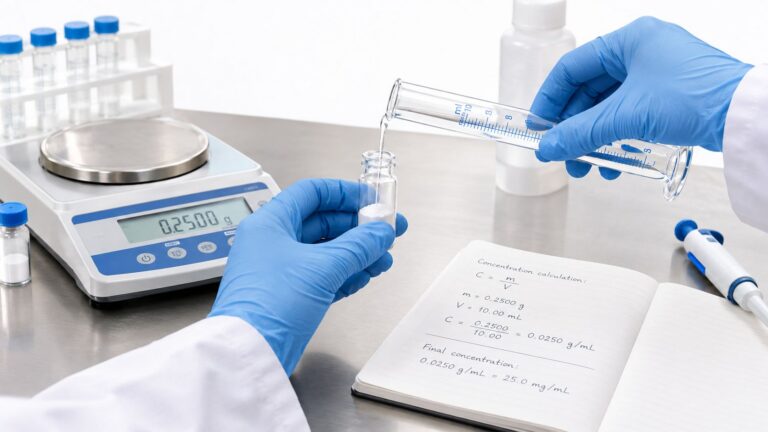
How Much Reconstitution Solution: 2026 Dosage Guide
The vial is open, the diluent is measured, and the label says to add a specific volume. The calculation appears simple: add the liquid, divide the labeled mass by that amount, and proceed. That shortcut is where many otherwise careful…
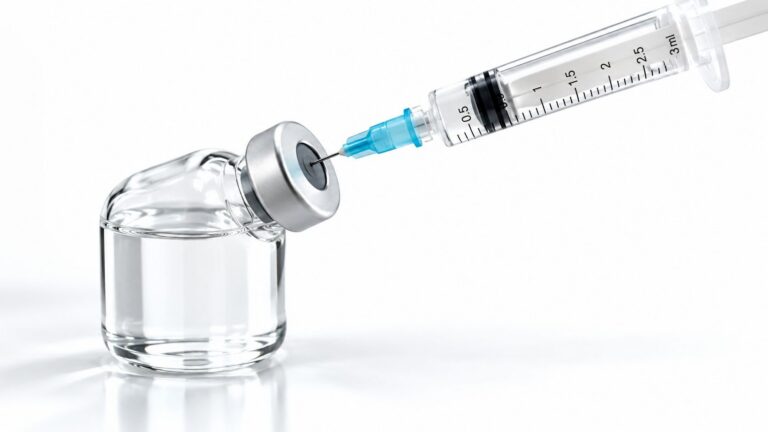
Bac Water and Syringes: Safe RUO Reconstitution Guide
The vial is on the bench, the freeze-dried material is waiting, and a drawer full of syringes offers several choices that look almost identical. A researcher may know the required diluent volume yet still create avoidable problems by choosing a…
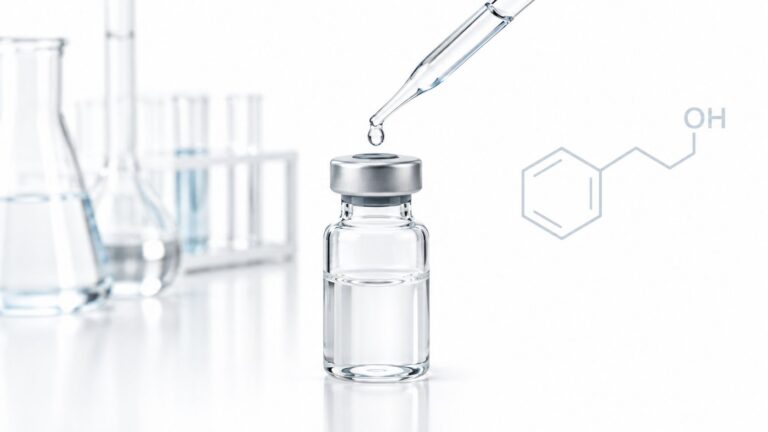
9 Benzyl Alcohol
A researcher opens a multi-dose vial, draws the diluent, and notices the protocol never states which preservative is present. The label says “reconstitution solution,” the supplier mentions 9 benzyl alcohol, and the same vial may be opened repeatedly during a…
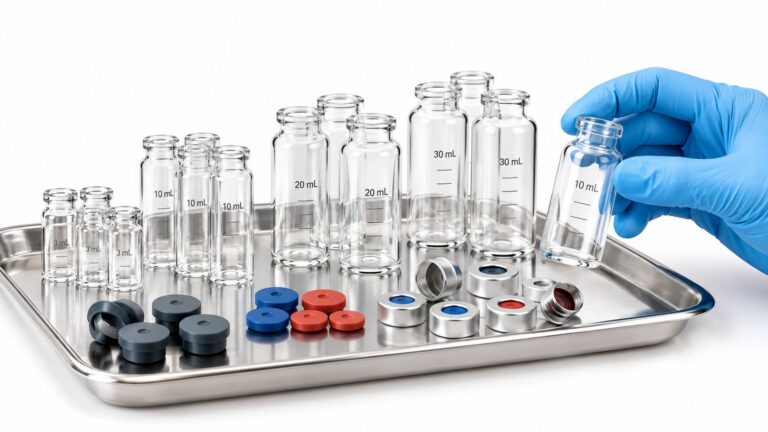
Empty Glass Vial Selection Guide for Labs 2026
A peptide reconstitution run often starts with an apparently simple choice: an empty glass vial, a diluent, and a lyophilized material that needs to become a consistent working solution. The pressure is familiar. The vial must fit the planned volume,…
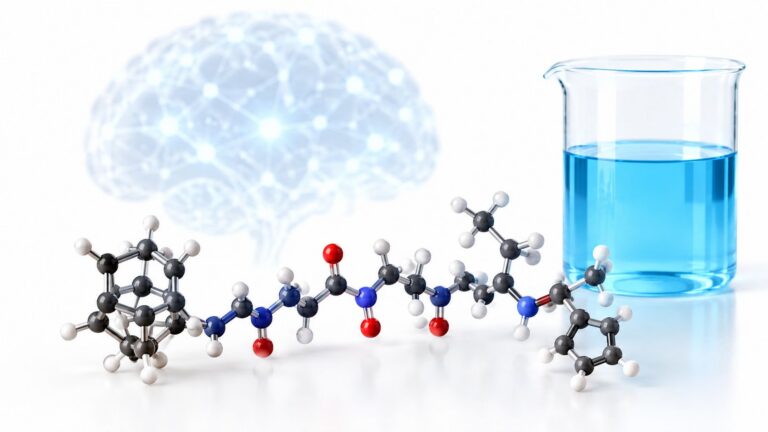
P 21 Peptide Explained: What Researchers Should Know
The most popular advice about the P 21 peptide often starts with the wrong question. Readers are told to focus on its potential effects on memory, neurogenesis, or Alzheimer's disease models before establishing what the compound is, how it was…
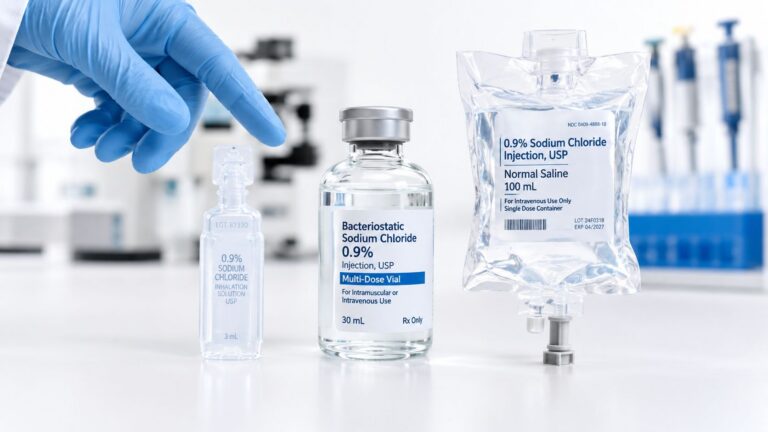
0.9 Sodium Chloride Inhalation Solution USP Explained
A lab technician reaches for a saline vial during nebulizer preparation, then stops. Beside it sit a multi-dose vial of bacteriostatic saline and a larger container of injectable normal saline. All three appear to contain 0.9% sodium chloride, but the…
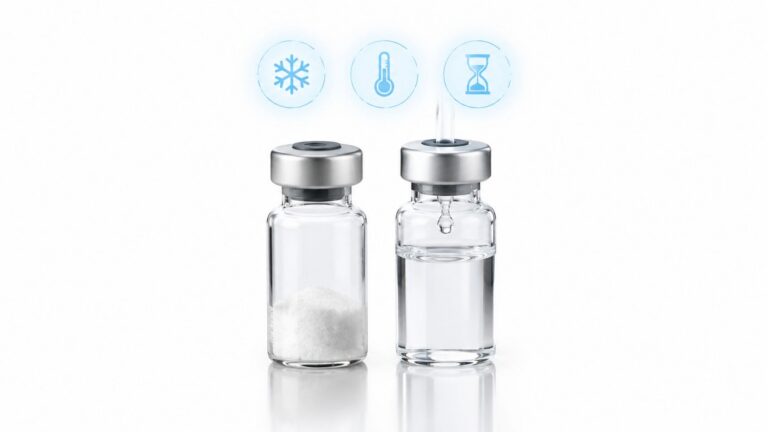
How Long Do Peptides Last: Shelf-Life Guide
Lyophilized peptides stored correctly usually last 1 to 3 years, while reconstituted peptides typically remain usable for days to weeks, depending on the preservative, temperature, formulation, and peptide sequence. Properly packaged GMP-manufactured peptide drugs are commonly assigned shelf lives of…
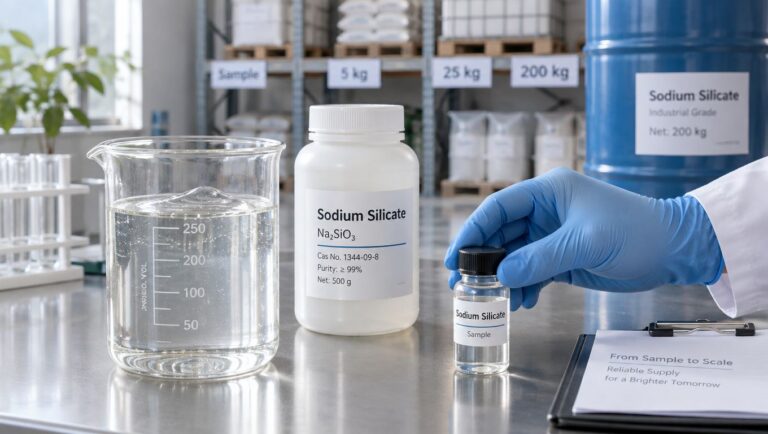
Waterglass for Sale: A Lab Buyer’s Sourcing Guide
Waterglass is the trade name for sodium silicate, usually supplied as a thick alkaline liquid with a pH around 11–12. A common commercial solution contains 37% sodium silicate by weight in water, although the exact formulation must be confirmed with…
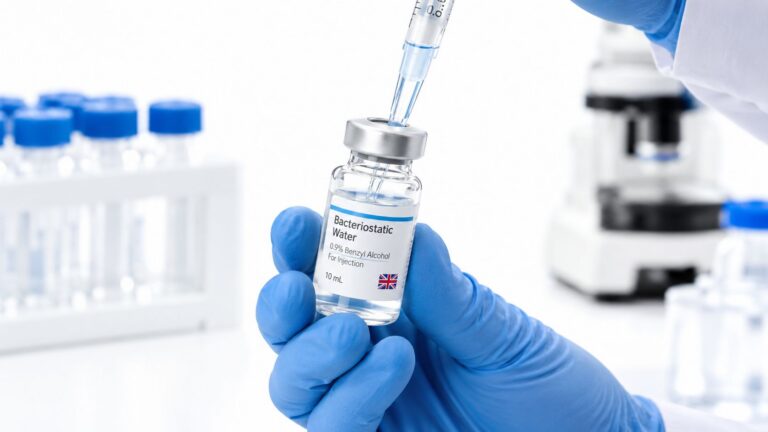
Bacteriostatic Water for Injection UK: Complete Guide
A UK-registered bacteriostatic water for injection product contains 0.9% benzyl alcohol, equal to 9 mg/mL, and is sterile and non-pyrogenic. Although an official medicine register lists an authorized product, most bacteriostatic water sold to researchers is labelled Research Use Only,…