Private Label, White Label, Wholesale partnerships available - EU, USA and UK - Free shipping from €75
Blog
9 Sodium Chloride Injection Usp
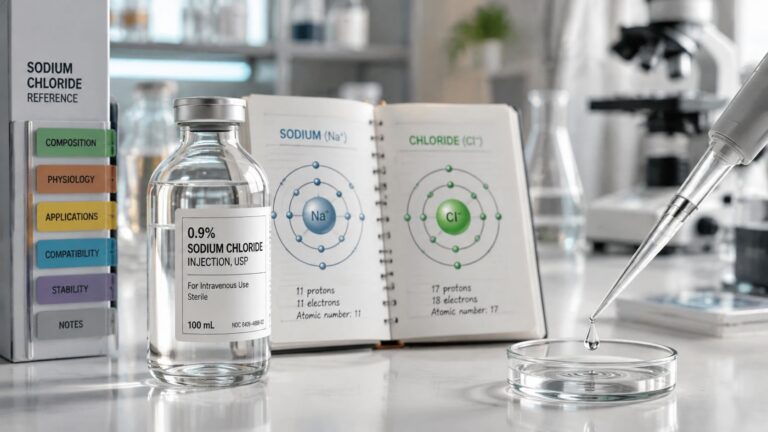
A researcher has a lyophilized peptide on the bench, a reconstitution protocol in one hand, and three possible diluents in the cabinet. 0.9% sodium chloride injection USP, bacteriostatic water, and sterile water may all look interchangeable at a glance, but…
Bottled Sterile Water: Types, Uses, and Selection Guide
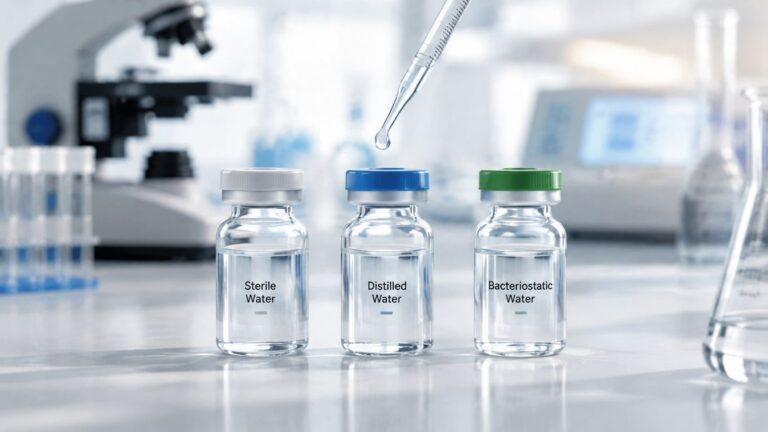
A researcher reaches for a diluent halfway through a reconstitution and finds only a nearly empty vial. The next bottle sits on another shelf, the label is partly obscured, and the protocol calls for an exact volume. The experiment hasn't…
Where to Buy Sterile Water for Lab Use (and When Bac Water Is the Better Choice)
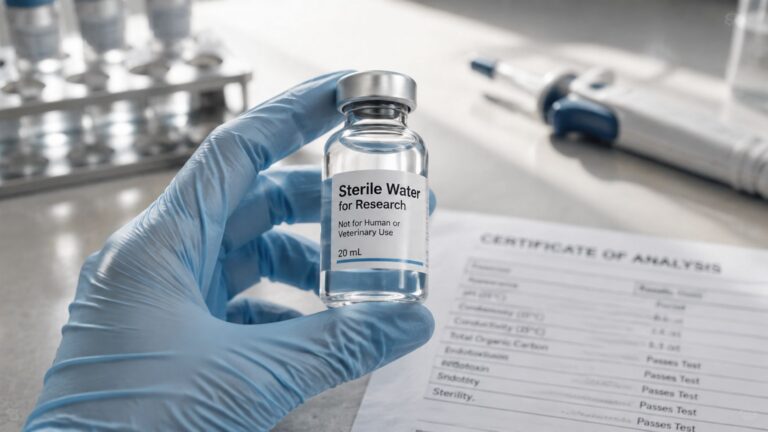
Where can you buy sterile water? For laboratory research, the most reliable source is an online lab supplier that ships sealed, sterile 10 ml glass vials with a Certificate of Analysis for every lot. Pharmacies such as CVS or Walgreens…
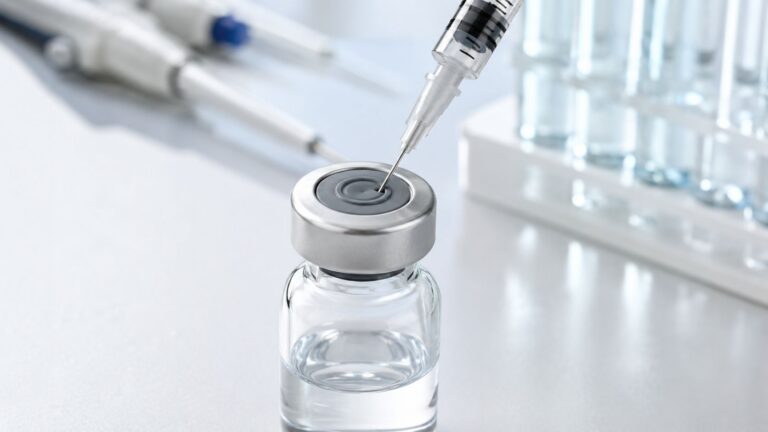
What Is a Multi Dose Vial and How Does It Work
A multi-dose vial is a sterile, manufacturer-labeled container designed to provide more than one withdrawal, typically using an antimicrobial preservative such as 0.9% benzyl alcohol. After the first puncture, the vial usually enters a defined 28-day in-use period, unless the…
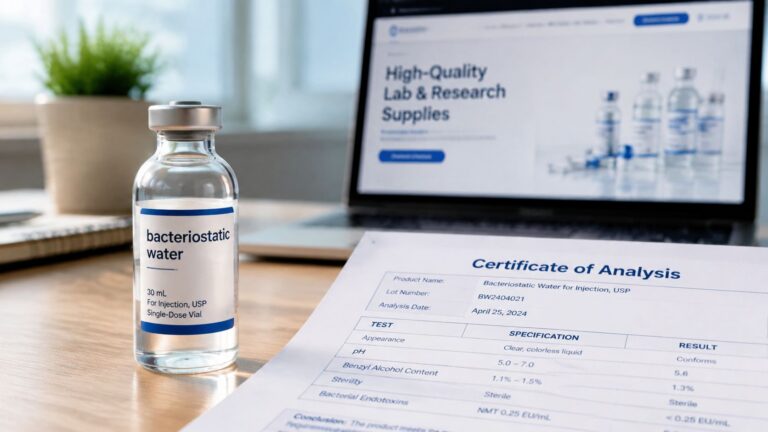
How to Buy Bacteriostatic Water Online Safely
A procurement request lands late in the afternoon. The lab needs research-grade bacteriostatic water for an upcoming reconstitution workflow, a marketplace listing offers fast delivery, and the product page shows little more than “sterile water” and a vial photograph. The…
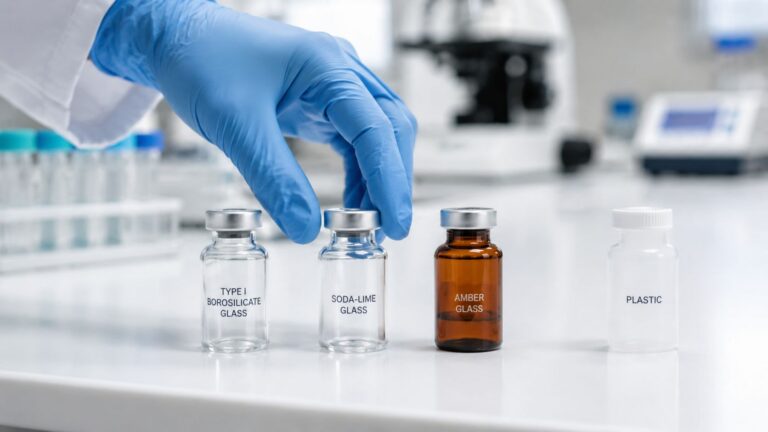
Glass Injection Vials: A Practical Selection Guide
A formulation team can spend days choosing a sterile container, then discover that the selected “10 mL vial” doesn't provide the working volume the fill line requires. The same problem appears at the bench when a peptide reconstitution workflow uses…
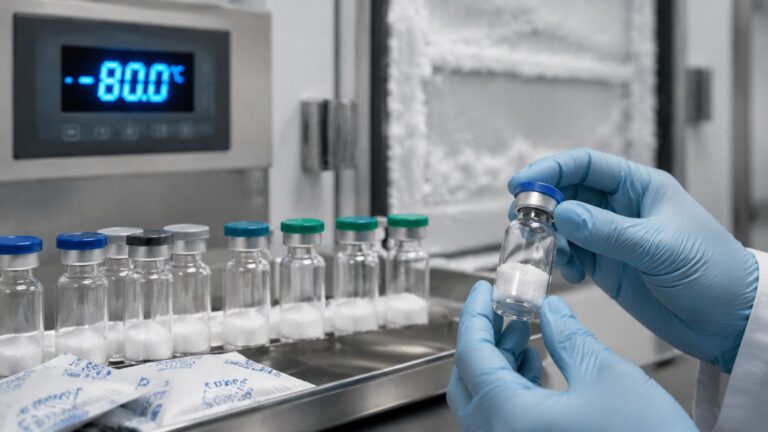
Lyophilized Peptides Storage: Best Practices for Lab
“Keep lyophilized peptides cold, dark, and dry” is useful advice, but it's not a storage protocol. It treats every sequence, vial, freezer, and research timeline as if they present the same risk. In practice, humidity exposure, sequence chemistry, temperature cycling,…
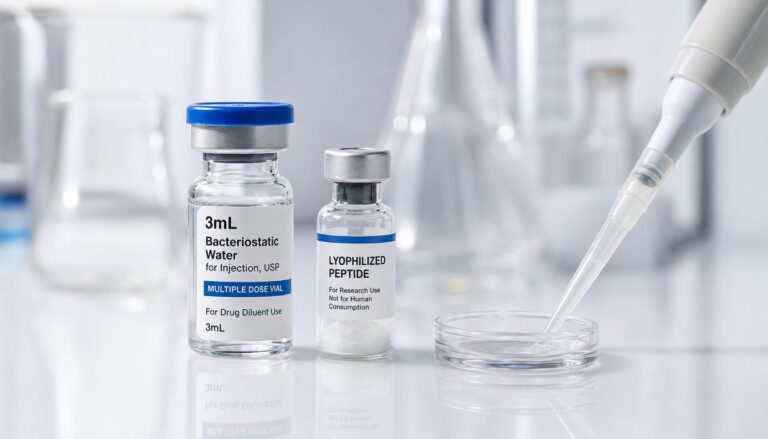
Bac Water 3mL Guide for Safe Peptide Reconstitution
A researcher has a small lyophilized vial on the bench, a protocol that calls for repeated access, and a practical question: should the diluent be a compact 3 mL bacteriostatic water vial, or a larger presentation that may leave unused…
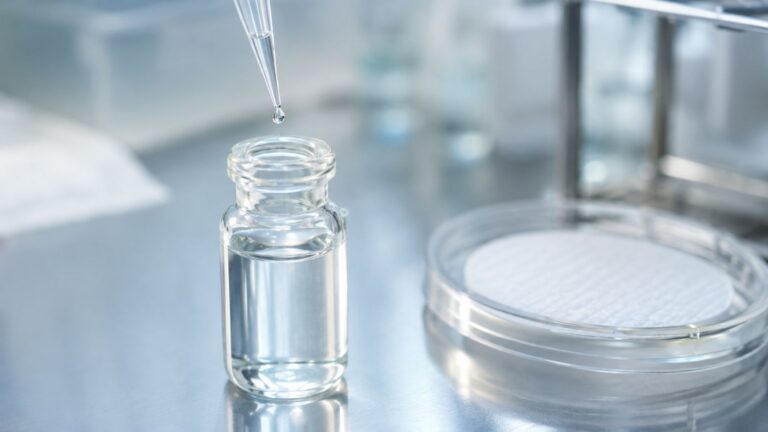
Sterile Non Pyrogenic Water: A Practical Lab Guide
You can have a vial that says sterile and still lose a reconstitution because the result carried a pyrogen problem instead of a microbial one. That's the part that catches researchers off guard at the bench. The label looks reassuring,…
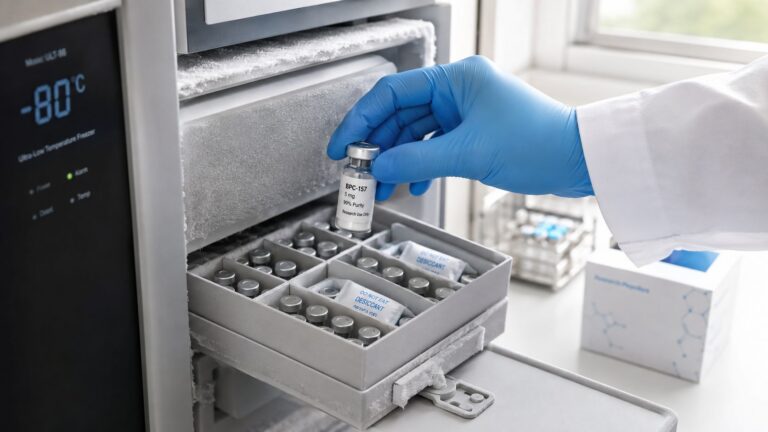
How to Store Peptides: Lyophilised Powder Before and After Reconstitution
How to store research peptides: lyophilised powder before reconstitution, storage temperature, freezer vs fridge, light and moisture, and how storage changes once the vial is mixed.
See our privacy policy.