Private Label, White Label, Wholesale partnerships available - EU, USA and UK - Free shipping from €75

Blog
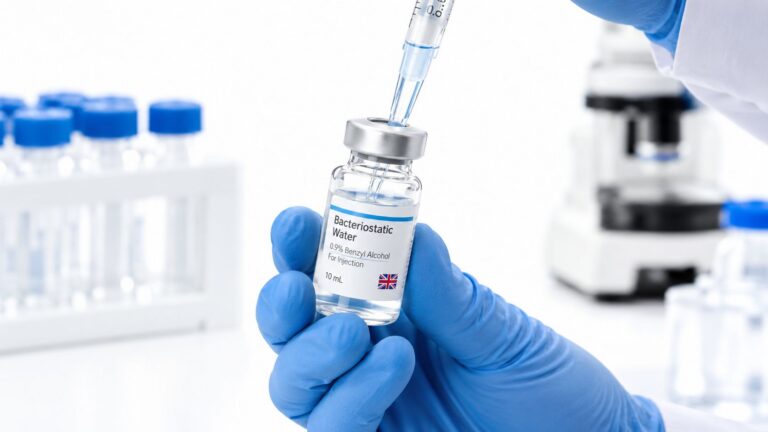
Bacteriostatic Water for Injection UK: Complete Guide
A UK-registered bacteriostatic water for injection product contains 0.9% benzyl alcohol, equal to 9 mg/mL, and is sterile and non-pyrogenic. Although an official medicine register lists an authorized product, most bacteriostatic water sold to researchers is labelled Research Use Only,…
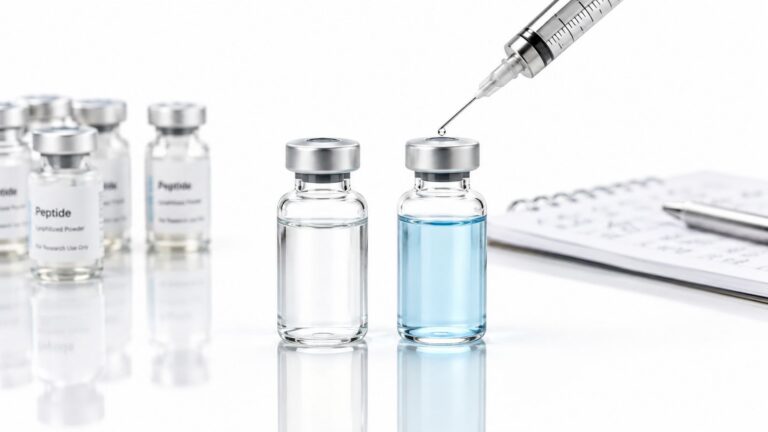
Bacteriostatic Water with Sodium Chloride: A Practical Guide
The most popular advice about peptide reconstitution is also the least precise: “Just use bacteriostatic water.” That shortcut treats plain bacteriostatic water and bacteriostatic water with sodium chloride as interchangeable, even though one is a water-based vehicle and the other…
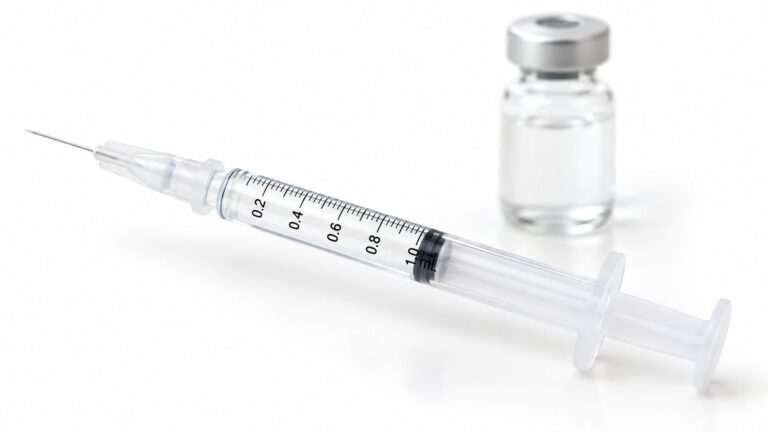
What Does 1cc Look Like on a Syringe: A Visual Guide
A researcher holds a clear syringe over a vial, sees several lines on the barrel, and pauses. The question seems simple: what does 1cc look like on a syringe? On a standard volume syringe, the answer is straightforward, but the…
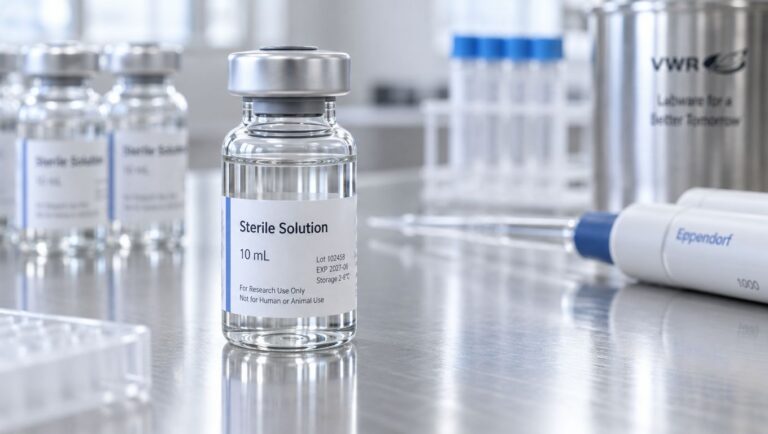
10 mL Sterile Vial: Lab Specs and Storage
A researcher has just opened a fresh 10 mL sterile vial to reconstitute a valuable peptide or protein. The seal was intact, the glass looked clean, and the first withdrawal went smoothly. The hidden risk begins after that first needle…
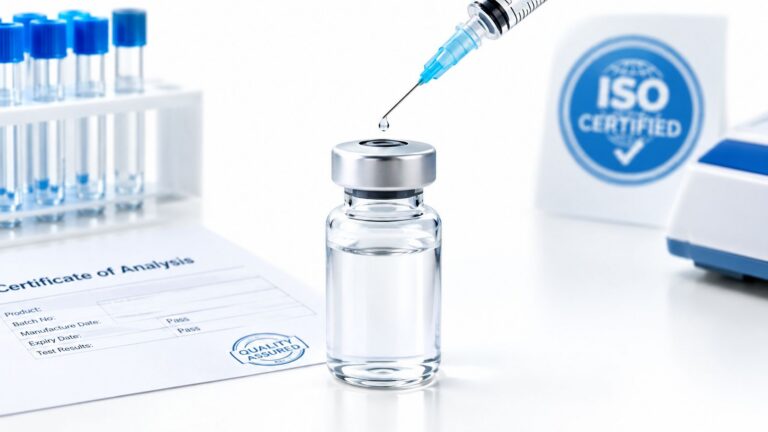
Vial of Liquid: A Complete 2026 Lab Safety Guide
A researcher can spend weeks preparing a peptide study, then compromise the entire workflow during a routine withdrawal. The vial looks clear, the stopper appears intact, and the liquid remains within its expected volume. Yet a contaminated needle, an inadequately…
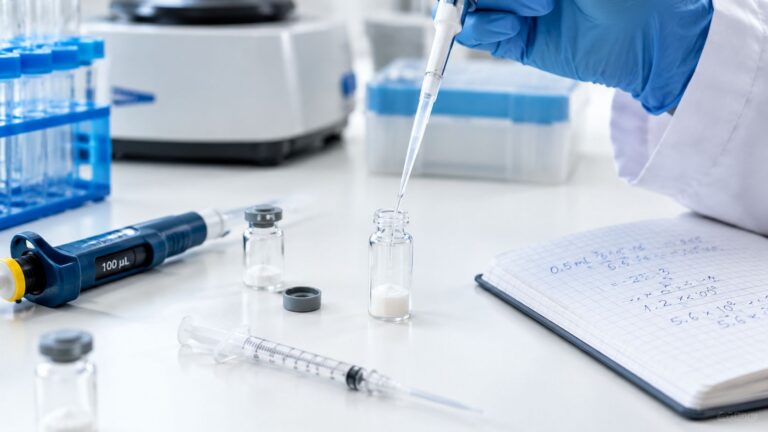
Lyophilized Powder Reconstitution: A Practical Lab Guide
The vial has been on the bench for a few minutes. The seal comes off a 10 mg lyophilized peptide, the cake looks intact, and the calculated diluent volume goes in cleanly. Ten minutes later, the solution is still cloudy.…
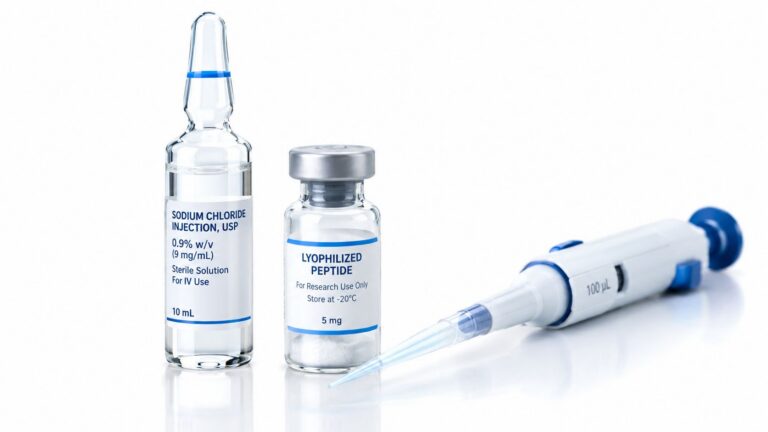
Preservative Free Sterile Saline Solution: A Practical Guide
A researcher reaches into a cold room, takes out a 10 mL ampule of preservative-free saline, and places it beside a lyophilized peptide vial. Then the hesitation starts. The ampule was opened two days ago, the reconstitution is scheduled now,…
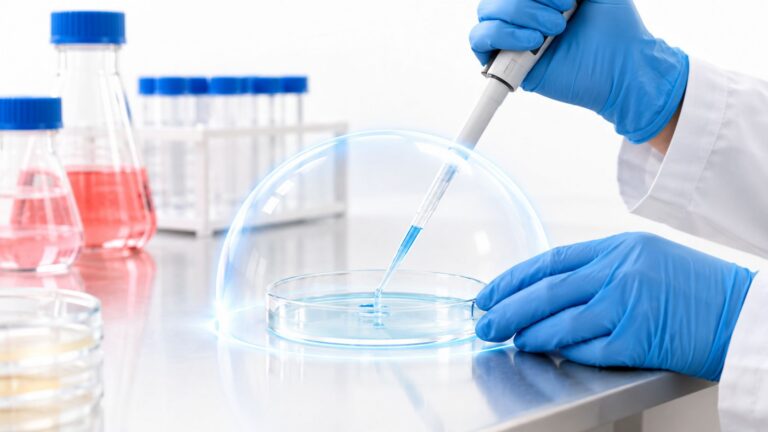
Why Aseptic Technique Is Important in Microbiology
A new researcher often notices contamination only at the end of a workflow. The plate that should show one colony type suddenly shows several. The sterile broth control turns cloudy. A reagent that looked fine at setup behaves unpredictably in…
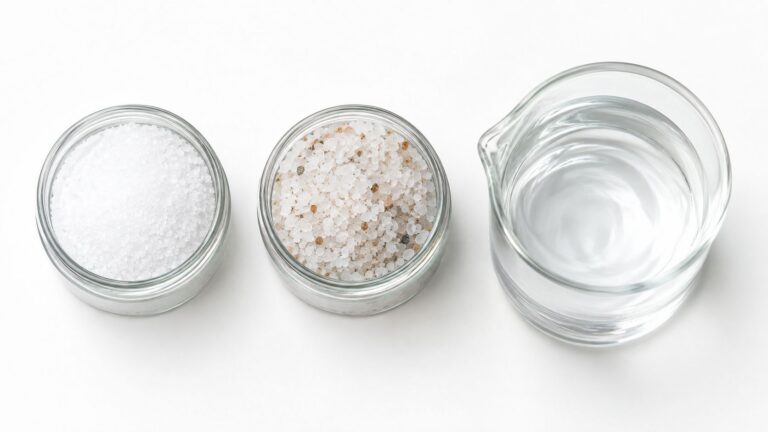
Is Sodium Chloride a Mixture or a Compound Explained
Pure sodium chloride is not a mixture. It is an ionic compound with the fixed formula NaCl, which means sodium and chloride are present in a strict 1:1 ratio, with pure sodium chloride made of 39.34% sodium and 60.66% chlorine…
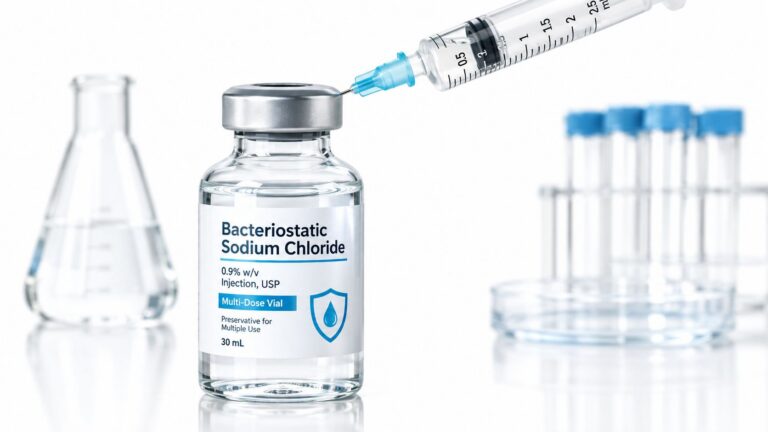
Sodium Chloride Bacteriostatic Water Guide for RUO Use
A common RUO bench moment goes like this. A researcher has a lyophilized vial, a protocol note with only a short diluent label, and two clear multi-dose containers that seem close enough to swap. One says bacteriostatic water. The other…