Private Label, White Label, Wholesale partnerships available - EU, USA and UK - Free shipping from €75
Blog
Private Label vs White Label: Lab Sourcing Guide 2026
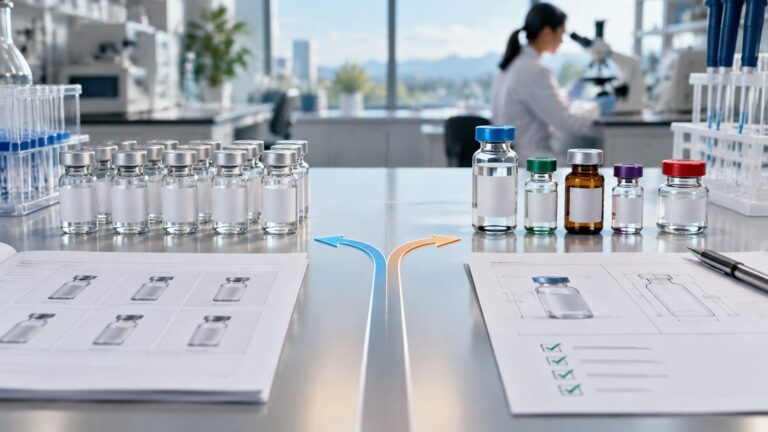
The most repeated advice in the private label vs white label discussion is that private label buys control and white label buys speed. Pay more, wait longer, and the product becomes yours. That framing survives because it sounds like a…
Dilution Series Calculations for Accurate Labs
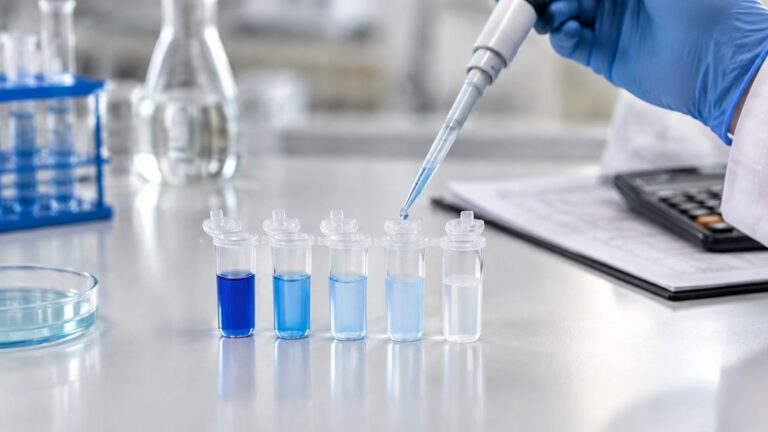
The stock on the bench is labelled far stronger than the working concentration the protocol wants. One tiny transfer would sit below the pipette's reliable range, so the volume would be easy to mis-set and hard to defend later. Dilution…
How to Do Dilution Calculations: Step-by-Step Lab Guide
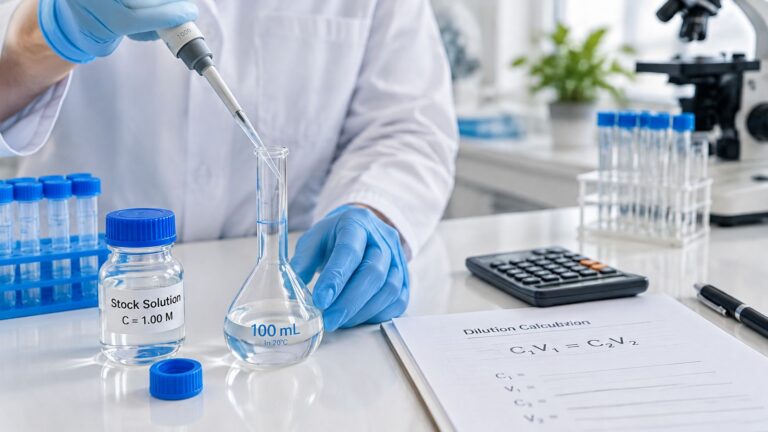
A reader stands at the bench with a stock vial in one hand, a pipette in the other, and a protocol that asks for a much weaker solution. The label says one concentration, the protocol says another, and the units…
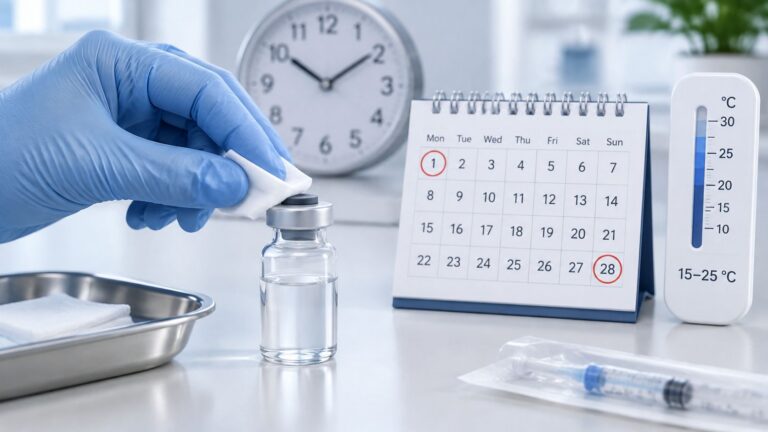
28 Day Rule for Multi-Use Vials: How the Clock Works
The 28 day rule allows use of a multi-use vial for up to 28 days after first puncture, unless the label specifies another period or the original expiry date comes sooner. That window can end earlier if handling, storage, or…

Sterility Testing Methods: 7 Categories for Lab QA
A lot of preserved diluent arrives with an intact seal, a tidy label and a COA that reads clean. That isn't enough for routine release. Someone still has to decide which sterility testing methods support the decision, whether the method…
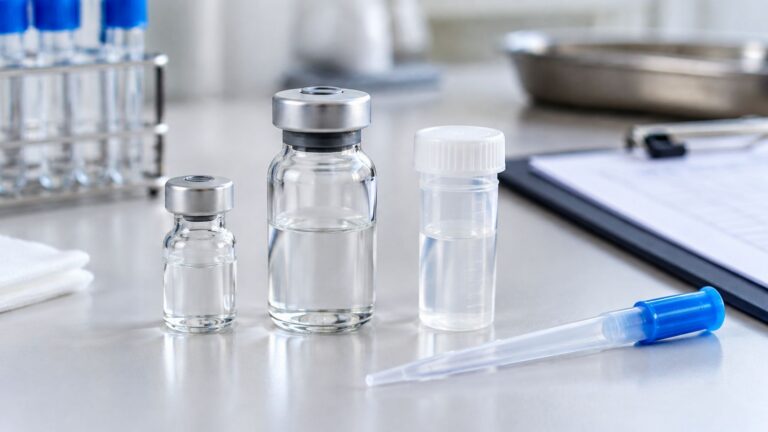
Vial for Injection: Types, Sizes and Handling Guide
A vial can pass a sterility test without that result proving its closure will protect the contents throughout storage and repeated access. Container integrity, preservative effectiveness and laboratory handling answer different questions. For researchers evaluating a vial for injection format…
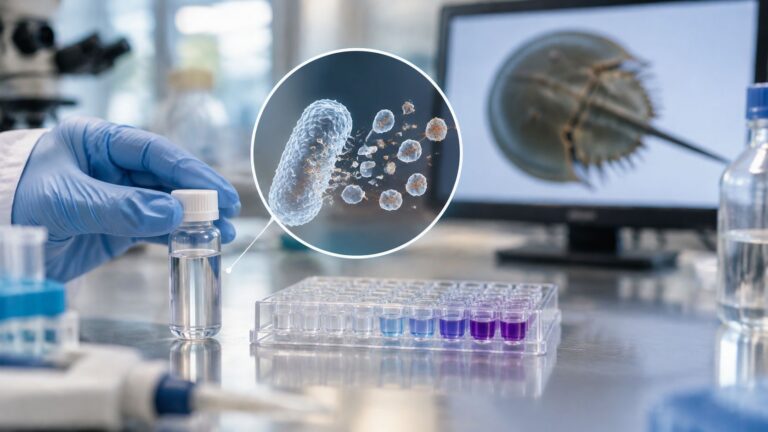
What Is Endotoxin Testing? a Plain-English Lab Guide
Endotoxin testing is an in-vitro quality-control procedure that detects or quantifies bacterial endotoxins, the heat-stable outer-membrane components of Gram-negative bacteria, in a material or diluent. If a laboratory finds no living bacteria, what could still be left behind? That question…
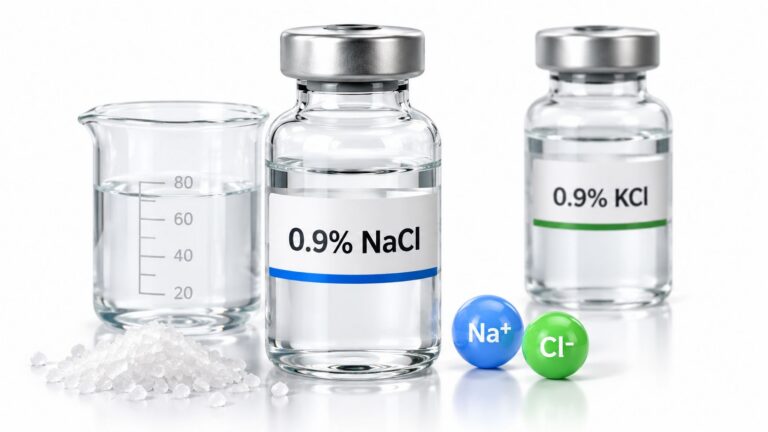
Na Cl 0 9 Explained: What the Lab Label Really Means
0.9% NaCl contains 0.9 g of sodium chloride per 100 mL, which equals 9 mg/mL or about 154 mmol/L, and the reader must confirm that figure on any certificate of analysis. Advice to choose a diluent because its label says…
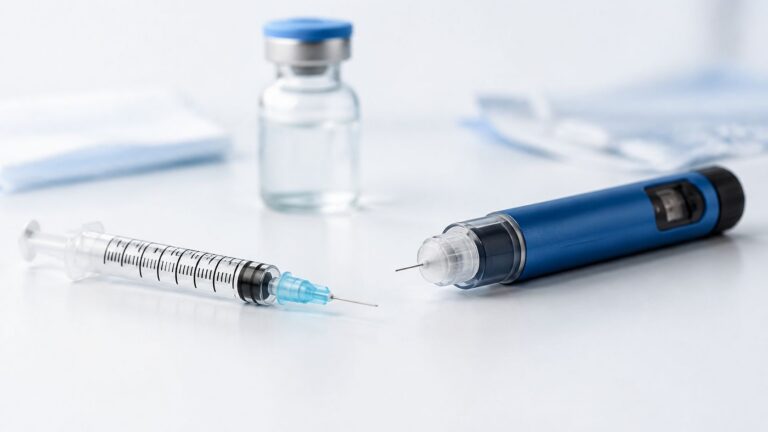
Low Dead Space Syringes for Lab Work: Fixed Needle vs Luer
What syringe dead space is, how fixed-needle, low dead space Luer and standard Luer syringes compare, and how to measure small lab volumes accurately.

Where Can I Buy Sterile Vials: A Lab Sourcing Guide
A sterile glass vial can contain a diluent rather than be an empty container, so the first sourcing question isn't always which vial to buy. Herbilabs sells sterile reconstitution solution in premium glass vials labeled for research use only, a…
See our privacy policy.