Private Label, White Label, Wholesale partnerships available - EU, USA and UK - Free shipping from €75

Category Blog
Temperature Controlled Shipping Explained for Labs
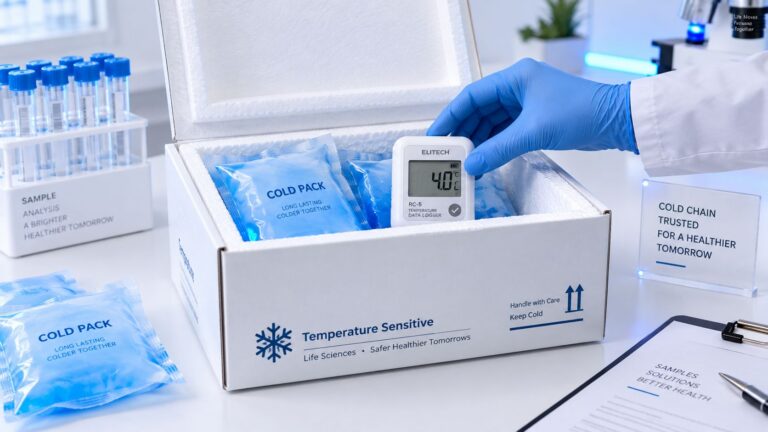
A lab receives a small shipment of vials on Monday morning. The outer carton is intact, the delivery took less time than expected, and the package still feels cool. Yet the temperature record is missing, the carrier handoff isn't documented,…
Temperature Controlled LTL Transportation How to Ship Right

A small RUO shipment can leave a controlled warehouse in perfect condition and still arrive with an unresolved temperature question. A pallet of bacteriostatic water vials may spend hours waiting at a transfer terminal, move through another dock without a…
Peptide Reconstitution Steps: A Practical Lab Protocol
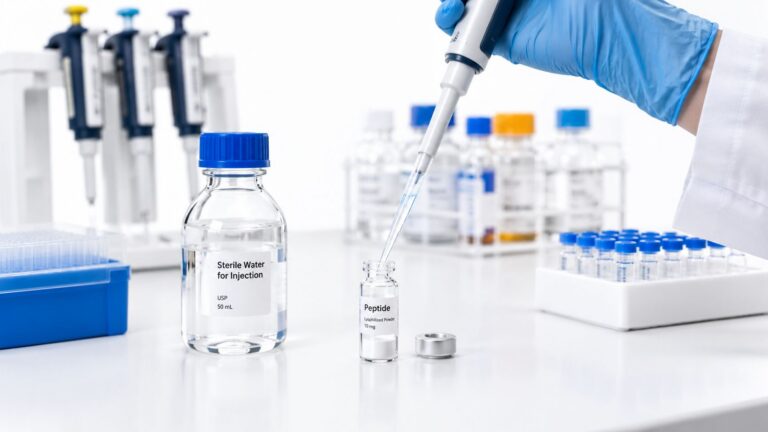
A researcher has a 5 mg peptide vial on the bench, a fresh vial of bacteriostatic water nearby, and one decision to make before the powder ever sees liquid: how should the diluent enter the vial? The answer affects more…
Bacteriostatic 0.9 Sodium Chloride Explained for Labs
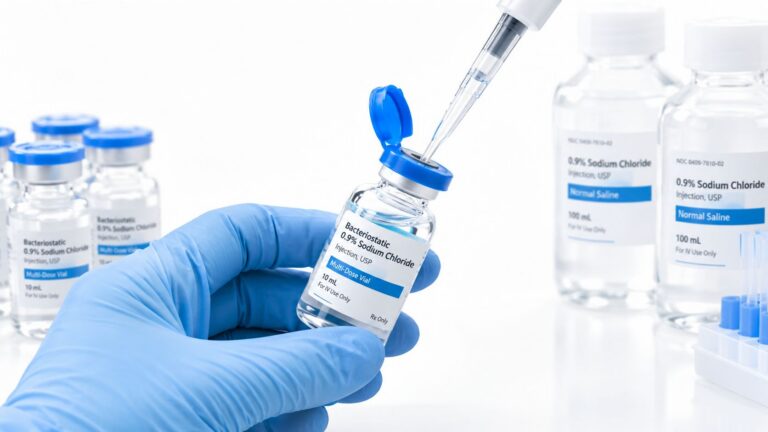
A researcher has a lyophilized peptide on the bench, a protocol that calls for saline, and several planned withdrawals over the coming days. Opening a fresh single-use container for every preparation may create unnecessary handling and documentation work, but choosing…
3 10 Ml Insulin Syringe: Specs, Sizing, and Lab Use
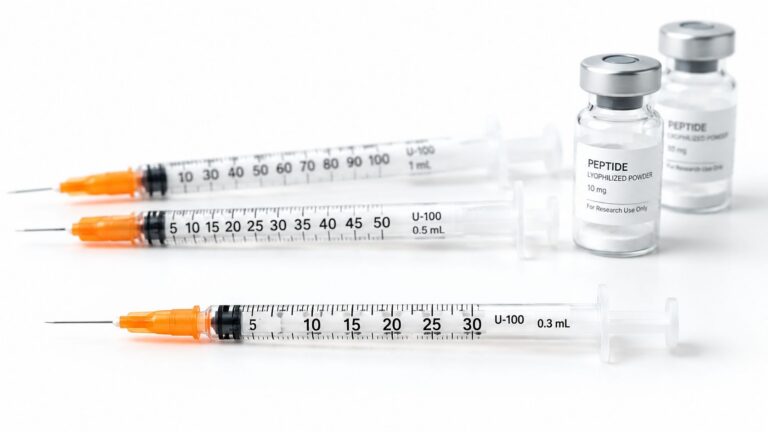
Could a syringe designed for insulin become a useful low-volume precision tool in a peptide workflow, or does the label create more confusion than clarity? The phrase “3 10 ml insulin syringe” exposes that problem. It can look like a…
Sterile Glass Vials: A Practical Buyer’s Guide for Labs
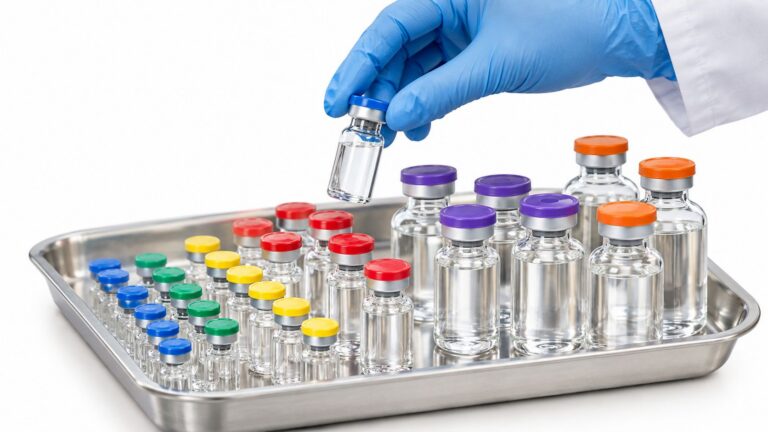
A researcher removes a 10 mL vial of reconstituted peptide from the refrigerator, prepares the second withdrawal of a planned multi-dose series, and pauses before puncturing the stopper. Has the septum resealed properly? Could a rubber core or glass particle…
Sodium Chloride Soap: What It Is, Uses, and Safety
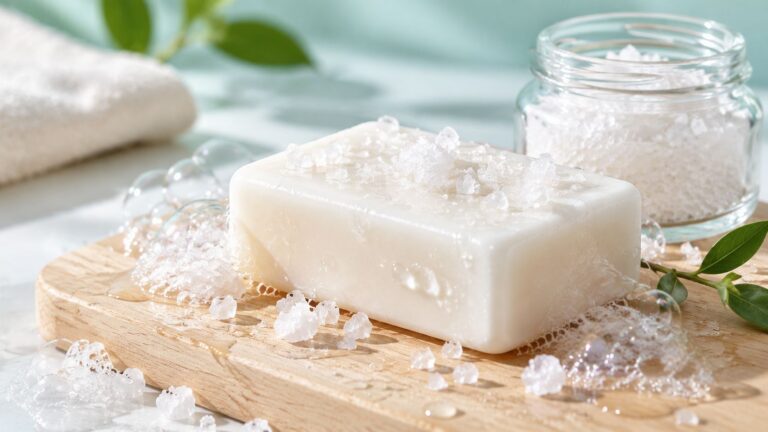
A sodium chloride soap formula usually uses common table salt as a processing aid or texture modifier, not as the cleansing agent. Salt can separate soap from glycerol during manufacture, firm some bars, and alter liquid-soap viscosity, but the right…
How to Mix Peptide Powder Safely and Accurately
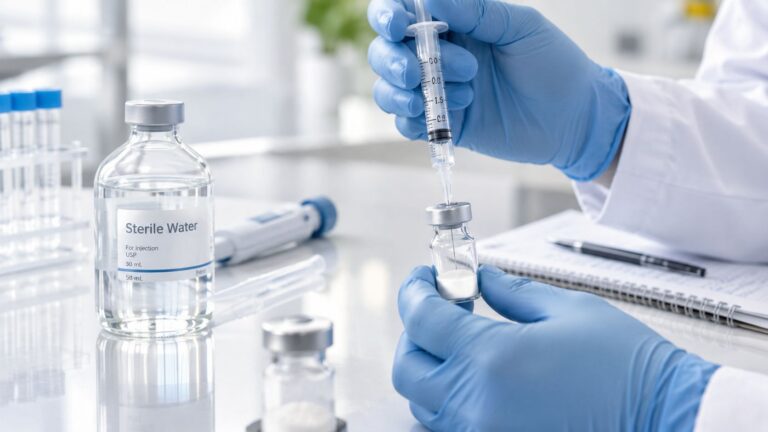
A vial of lyophilized peptide sits on the bench, the calculated volume is in the syringe, and the temptation is to push the liquid in quickly and shake until the powder disappears. That shortcut can leave a researcher with uncertain…
What Is a 0.22 Micron Filter Used for in Labs
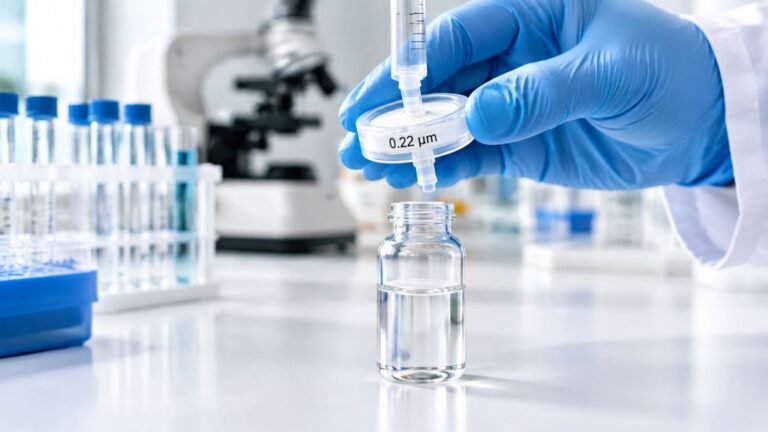
A 0.22 micron filter is used to sterilize aqueous solutions by removing bacteria and particulates during lab production and research workflows. It provides a physical filtration barrier for buffers, diluents, media components, and other liquids that must move into a…
Bacteriostatic Water UK Guide for Safe RUO Use
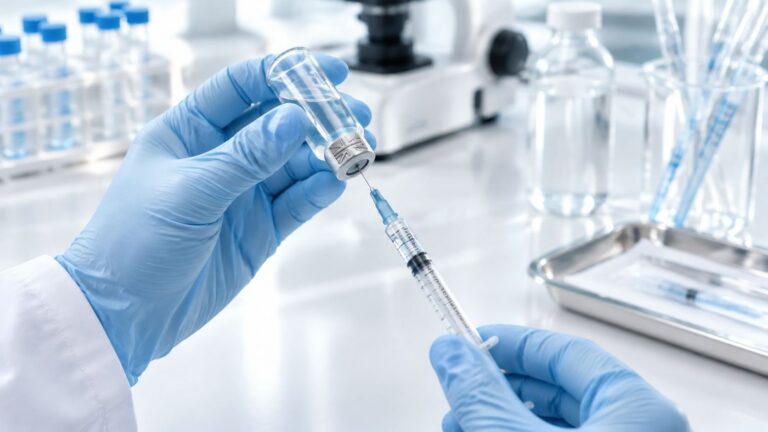
A UK research team has a lyophilised peptide ready for reconstitution, a clean bench prepared, and a schedule built around repeated withdrawals. The remaining decision seems simple: choose a sterile diluent, add it to the vial, and record the preparation.…