Private Label, White Label, Wholesale partnerships available - EU, USA and UK - Free shipping from €75
Lab Best Practices 2026 for Handling and Storage of Bacteriostatic Water
Maintaining the integrity of research materials is paramount in any laboratory best practises setting. Bacteriostatic water, a critical component for reconstituting various research compounds, demands precise handling and storage. Incorrect procedures compromise experimental results and introduce potential hazards.
For most labs, the biggest avoidable mistakes are simple ones: storing an opened vial like an unopened one, failing to mark the first-puncture date, or assuming refrigeration can rescue a vial that has already exceeded its allowed use window. In my review of current handling references, that is where the guidance is most consistent and where confusion most often starts.
How We Evaluated Safe Handling and Storage Guidance
This article prioritizes practical handling rules over market commentary. To update it, I compared manufacturer-style storage instructions, multidose-vial handling guidance, and current storage summaries that clearly separate sealed-vial storage from post-puncture handling. Where sources agreed, I treated that as the operational baseline; where wording differed, I favored the more conservative instruction that better protects sterility and traceability.
The main criteria were straightforward: storage temperature ranges, whether refrigeration is needed before and after first puncture, how opened vials should be labeled, when the common 28-day discard rule applies, and which conditions require immediate disposal. Advice was treated as weak if it relied on anecdote alone, ignored first-puncture dating, or blurred the difference between chemical stability and contamination control.
I also checked that recommendations fit normal lab workflow rather than idealized conditions only. In practice, the safest guidance is the guidance a team can follow consistently: keep the vial in a controlled location, disinfect the stopper every time, record the open date immediately, and discard any vial with unclear history. When a product label or site SOP is stricter than general guidance, that stricter instruction should always win.
Does Bac Water Need to Be Refrigerated?
Usually not while unopened. Current storage references commonly describe sealed bacteriostatic water vials as suitable for controlled room-temperature storage, often around 15–30°C or 20–25°C, until the printed expiry date, as summarized in this storage guide. The practical change happens after the vial is first punctured: many references then advise storage at 2–8°C and use within a 28-day multidose window.
That distinction matters. An unopened vial is still protected by its original seal, so routine refrigeration is generally unnecessary unless the manufacturer label specifically requires it. Once the rubber septum has been breached, repeated access increases contamination risk, which is why opened-vial handling becomes more conservative. A separate review of post-opening storage notes that refrigeration after opening does not extend the allowed calendar life beyond 28 days; it is used to help control microbial proliferation during that period, not to create extra shelf life, as explained in this post-opening storage reference.
My read across the sources is that labs get into trouble when they apply one rule to every vial. The safer approach is simple: unopened vial, controlled room temperature unless the label says otherwise; opened vial, follow the label and SOP, and many labs will refrigerate at 2–8°C after puncture. Do not freeze bacteriostatic water, because freezing can stress the container and undermine reliable handling.
Quick decision guide
- Unopened vial: Keep at controlled room temperature, protected from heat and direct light, unless the product label requires a different range.
- Opened vial: Label immediately with open date and discard date; many handling references recommend 2–8°C after first puncture.
- If the label conflicts with general advice: Follow the manufacturer label and your lab SOP.
- If the vial was frozen, overheated, or left in uncertain conditions: Treat it as compromised and discard it.
Understanding Bacteriostatic Water for Research
Bacteriostatic water for research use only (BWFI RUO) is deionized or distilled water containing 0.9% benzyl alcohol. This preservative inhibits the growth of most bacteria, making it suitable for multiple withdrawals from a single vial. Its primary function in labs is to dilute or reconstitute various powdered research chemicals and compounds, ensuring a sterile and stable solution for subsequent experiments.
The benzyl alcohol component is key to its bacteriostatic properties. It prevents microbial proliferation after the vial is opened and accessed, extending the usability of a single container. This characteristic distinguishes it from sterile water for research, which lacks a preservative and is typically intended for single-use applications to maintain sterility.
Understanding the chemical composition and purpose of BWFI is the foundation for proper lab best practices. Labs must recognize that while the preservative reduces contamination risk, it does not eliminate it entirely. Strict aseptic techniques remain necessary to prevent the introduction of microbes during handling.
The stability of reconstituted compounds can also depend on the quality and proper handling of the bacteriostatic water. Any degradation or contamination of the BWFI directly affects the reliability and reproducibility of research outcomes. Consequently, maintaining its integrity is essential to laboratory operations.
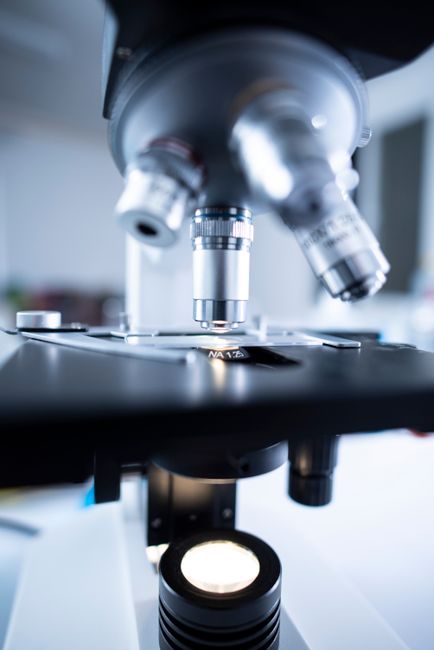
Photo by Chokniti Khongchum from Pexels
Market Trends and Usage in Research
Bacteriostatic water remains a widely used multidose diluent in research workflows, which makes storage discipline more important than broad market-size commentary. The operational point is straightforward: because one vial may be accessed repeatedly, labs need a clear separation between sealed-vial storage, post-puncture storage, and discard rules.
If you keep any market takeaway in view for 2026, it should be this: repeated-use vials save time and reduce waste only when the handling protocol is tight. In my review, generic growth projections added little value compared with direct storage instructions that prevent a compromised vial from staying in circulation too long.
| Metric | 2024 Value | 2025 Projection | Early 2030s Projection | CAGR (2024/25 Onward) |
|---|---|---|---|---|
| Global Market Size | USD 1.12–1.2 Billion | USD 1.3 Billion | USD 2.29–2.6 Billion | 7.9% to 8.2% |
| North America Market Share | 41.7% (USD 0.51 Billion) | N/A | N/A | N/A |
| Pharmaceutical Sector Demand | 41.7% | N/A | N/A | N/A |
| Multiple-Dose Vial Market Share | 57.2% | N/A | N/A | N/A |
Aseptic Handling Techniques for Lab Use
Aseptic technique is the cornerstone of bacteriostatic water handling in any laboratory. Its purpose is to prevent microbial contamination of the product and the research compounds it dilutes. Every step, from opening the vial to withdrawing the solution, must adhere to strict sterile protocols.
Training lab personnel in these techniques is not optional; it is essential for research integrity. Proper aseptic handling minimizes the risk of introducing foreign microorganisms, which could invalidate experimental results or compromise the stability of sensitive research materials. This includes environmental controls, personal protective equipment, and meticulous procedural steps.
What are key aseptic practices?
- Hand Hygiene: Thorough hand washing with soap and water or using an alcohol-based hand sanitizer before donning sterile gloves.
- Sterile Equipment: Always use new, sterile needles, syringes, and other equipment for each withdrawal. Never reuse or re-sterilize single-use items.
- Surface Disinfection: Clean and disinfect work surfaces with an appropriate germicidal agent before and after handling BWFI.
- Vial Preparation: Swab the rubber stopper of the bacteriostatic water vial with a 70% isopropyl alcohol wipe and allow it to air dry completely before puncturing.
How to perform aseptic withdrawal?
- Prepare the Area: Ensure a clean, disinfected workspace, preferably within a laminar flow hood or biosafety cabinet for sensitive applications.
- Don PPE: Wear sterile gloves, a lab coat, and eye protection.
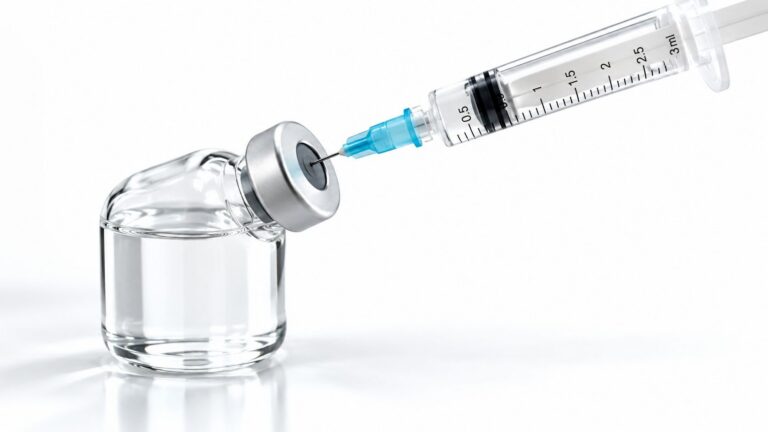
- Clean Vial Stopper: Vigorously wipe the rubber stopper of the BWFI vial with a fresh 70% isopropyl alcohol swab for at least 30 seconds, then allow it to air dry.
- Withdraw Solution: Insert a sterile needle and syringe into the vial, taking care not to touch the needle to any non-sterile surfaces. Invert the vial and withdraw the desired volume.
- Minimize Air Exposure: Limit the time the vial is open or exposed to the environment. Re-cap the vial immediately after withdrawal.
These practices, as emphasized by Farbe Firma, a WHO-GMP certified pharmaceutical CMO/CDMO, are essential for maintaining the sterility and consistency of bacteriostatic water. Their strict quality and compliance measures, including validated sterilization and sterility testing, underscore the importance of these techniques from manufacturing to lab use.
Optimal Storage Conditions for BWFI
Proper storage should be handled as a checklist, not a vague reminder to keep the vial somewhere cool. For everyday lab use, the goal is to protect the vial from heat, light, repeated handling errors, and avoidable contamination after each access.
Storage checklist for daily lab use
- Keep the vial in a controlled location: Use a clean cabinet, medication-style bin, or designated refrigerator space based on its unopened or opened status.
- Stay within the labeled temperature range: Unopened vials are commonly stored at controlled room temperature, often 15°C–30°C (59°F–86°F). After first puncture, many labs move the vial to 2–8°C if that matches product instructions and SOP.
- Protect from direct light: Keep the vial in original packaging or in a closed, low-light storage area.
- Store upright: Upright storage reduces leakage risk and helps protect stopper integrity.
- Protect the stopper: Do not let the rubber septum rub against dirty trays, loose supplies, or shared pockets of equipment.
- Act immediately after each withdrawal: Wipe the stopper before access, recap or return the vial promptly, and put it back in its designated storage location without leaving it on the bench.
Unopened vs opened vial rules
Unopened containers
- Store at controlled room temperature unless the manufacturer label says otherwise.
- Keep away from heat sources, windows, and freeze-thaw conditions.
- Use until the printed expiry date only if the seal, vial, and label remain intact.
Opened containers
- Mark the first puncture date immediately.
- Add the discard date according to the product label or lab SOP; many multidose workflows use 28 days.
- Many current references recommend refrigerated storage at 2–8°C after opening.
- Return the vial to storage right after use rather than carrying it around the lab for convenience.
What changes after first puncture?
The first puncture changes the risk profile more than the chemistry. The vial is no longer a sealed container; it is now a repeatedly accessed multidose container whose safety depends on technique, dating, and environmental control. That is why opened-vial handling should include three extra steps: immediate labeling, minimizing unnecessary punctures, and discarding the vial if its storage conditions become uncertain.
A practical rule I would enforce in any SOP is this: if nobody can say when the vial was first opened, the vial is no longer usable. The same applies if it sat out overnight, was transported loosely in a warm bag, or was returned to storage without any date marking. Convenience is not a valid reason to keep an uncertain vial in rotation.
Labeling and Shelf Life Protocols
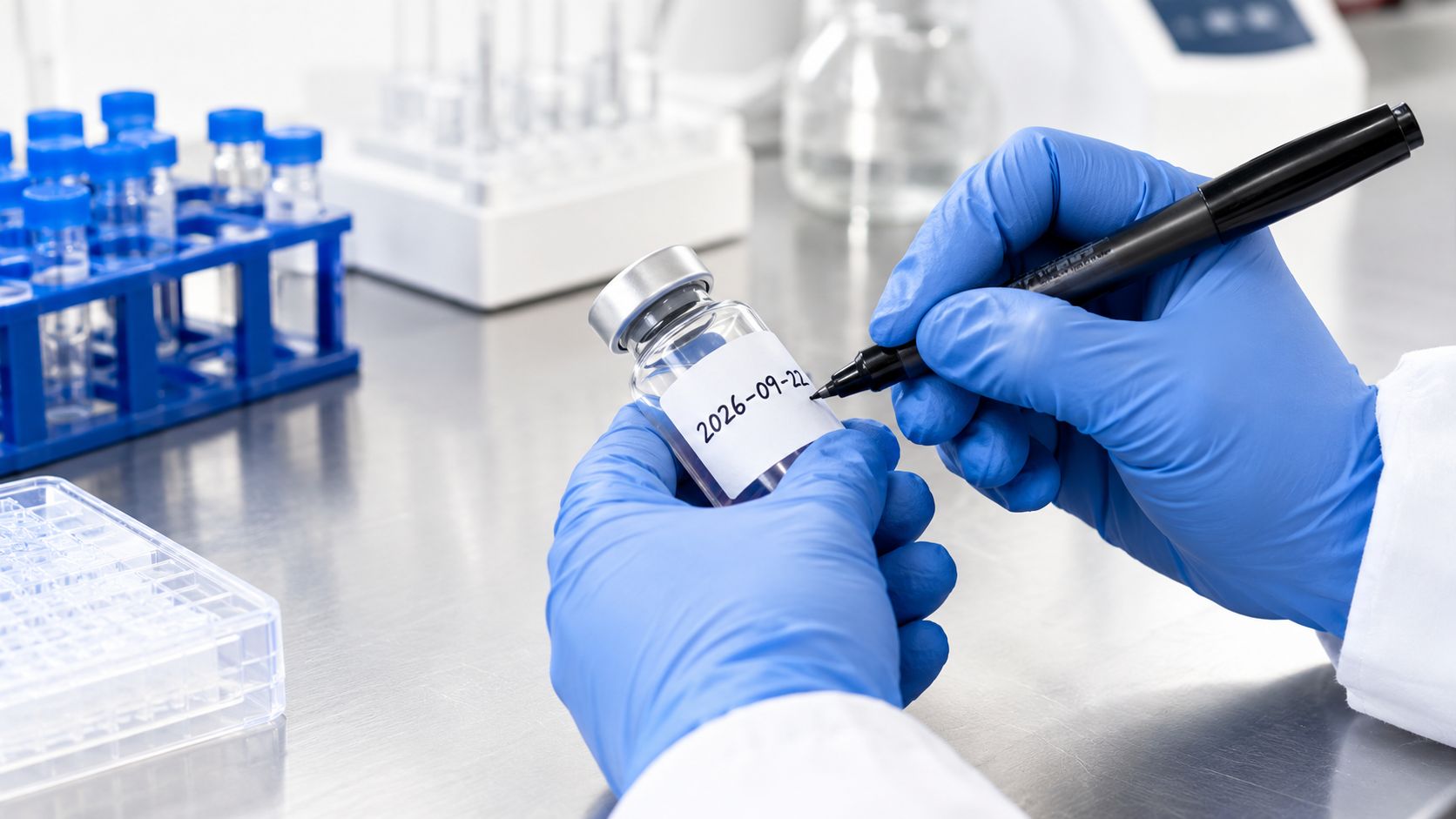
Labeling should answer three questions at a glance: when was this vial opened, when must it be discarded, and is there any reason to doubt its history? If the label does not answer those questions, the vial should not stay in active use.
Unopened shelf life
An unopened vial can usually remain in inventory until the manufacturer’s printed expiry date, provided the seal is intact and the vial has been stored within the recommended temperature range. Some general references describe long unopened shelf life under correct storage, but for lab control purposes the printed expiry and the manufacturer instructions should be treated as the final authority.
Opened vial dating
Once punctured, the vial should be labeled immediately with:
- Date opened
- Discard date
- Initials or staff ID
- Any storage note required by SOP, such as “refrigerate after opening”
The commonly cited 28-day rule is a multidose-vial handling standard used to limit contamination risk after repeated access. It is not just a guess about chemical stability. Current summaries of bacteriostatic water handling repeatedly tie that 28-day period to contamination control after the septum has been breached, as outlined in this storage guide. Labs should still verify the actual manufacturer label and internal SOP, because a stricter instruction overrides the general rule.
Discard immediately if any of these apply
- The solution looks cloudy, discolored, or contains particles.
- The rubber stopper is torn, loose, or visibly damaged.
- The vial was stored outside recommended conditions and the duration is unknown.
- The open date is missing, unreadable, or inconsistent with the log.
- Contamination is suspected for any reason.
- The vial was frozen.
- The vial has passed the labeled expiry date or its post-opening discard date.
Keep or discard quick check
| Situation | Action |
|---|---|
| Unopened, sealed, in date, stored correctly | Keep |
| Opened, dated, within allowed use window, stored per SOP | Keep |
| Opened but no first-puncture date | Discard |
| Cloudy solution or visible particles | Discard |
| Damaged stopper or broken seal | Discard |
| Left in uncertain temperature conditions | Discard |
| Reached day 28 when that is the applicable vial rule | Discard |
One recurring misconception is that refrigeration can “pause the clock.” It does not. As summarized in this after-opening guide, refrigerating an opened vial may support safer storage during the permitted use period, but it does not extend the calendar limit beyond 28 days where that standard applies.
Photo by Pixabay from Pexels
Preventing Contamination in Lab Settings
Contamination is a persistent threat in laboratory environments, particularly when handling solutions like bacteriostatic water that are used for reconstituting sensitive research compounds. Effective contamination prevention strategies are integral to lab best practices, ensuring the purity of materials and the reliability of experimental results. The goal is to create a barrier against microbial and particulate intrusion at every stage of handling.
What are common sources of contamination?
- Airborne Microbes: Dust particles and microorganisms present in the air can settle on exposed surfaces or enter open vials.
- Non-Sterile Equipment: Reusing needles, syringes, or other tools, or using equipment that has not been properly sterilized.
- Human Contact: Unwashed hands, ungloved fingers, or even exhaled breath can introduce bacteria and other contaminants.
- Improper Vial Handling: Leaving vials uncapped, touching the rubber stopper with non-sterile objects, or failing to disinfect the stopper before withdrawal.
How to minimize contamination risks?
- Dedicated Workspaces: Perform all handling of BWFI in a clean, designated area, ideally a laminar flow hood or biosafety cabinet, to control airborne particles.
- Single-Use Equipment: Strictly enforce the use of new, sterile, single-use needles and syringes for each withdrawal. Never re-cap used needles.
- Environmental Controls: Maintain proper air filtration and ventilation in the lab. Regularly clean and disinfect all surfaces that come into contact with research materials.
- Personal Protective Equipment (PPE): Mandate the use of sterile gloves, lab coats, and eye protection. Change gloves frequently, especially after touching non-sterile surfaces.
Beyond these direct measures, maintaining a culture of vigilance and meticulousness among lab personnel is essential. Regular training refreshers on aseptic technique and contamination awareness can significantly reduce incidents. For example, Pfizer Medical provides guidelines that emphasize the importance of maintaining sterility during all handling procedures, underscoring the industry-wide commitment to contamination control. For labs reviewing whether benches, sinks, and storage zones support cleaner workflow, Labs USA's page is a useful reference on bacteriological lab furniture layouts.
By systematically addressing potential contamination pathways, laboratories can uphold the highest standards of material purity. This proactive approach not only protects valuable research compounds but also reinforces the credibility and reproducibility of scientific findings.
Regulatory Compliance and Quality Control
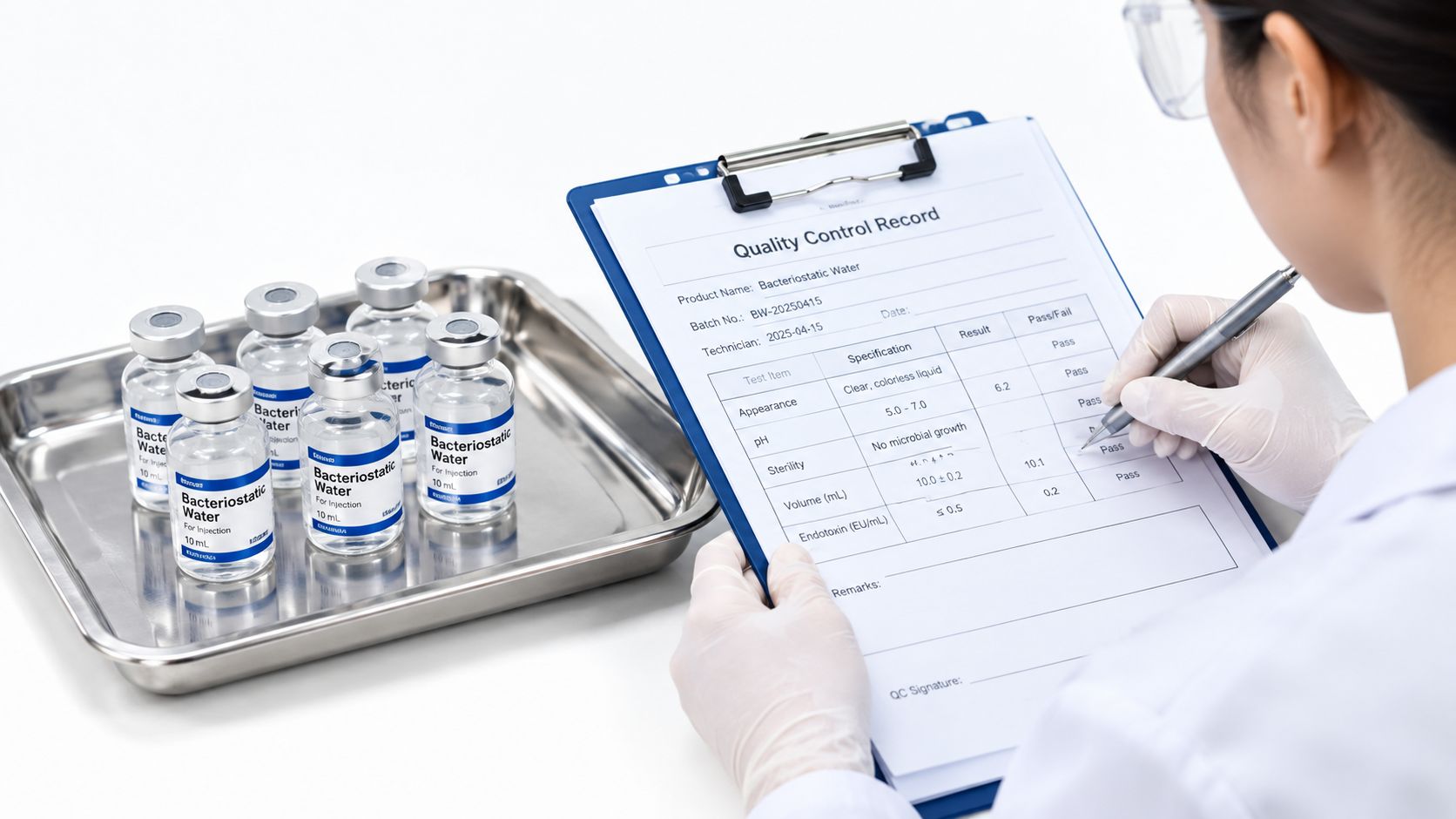
Adherence to regulatory standards and rigorous quality control measures are essential elements of bacteriostatic water handling in research laboratories. These frameworks ensure the safety, purity, and consistency of BWFI, which directly impacts the integrity and validity of scientific experiments. Organizations like the United States Pharmacopeia (USP) and the FDA set rigorous guidelines that labs must follow, even for Research Use Only (RUO) products, to maintain high operational standards.
What are key regulatory considerations?
- USP Standards: The United States Pharmacopeia (USP) sets monographs for various pharmaceutical ingredients and preparations, including water for injection. While BWFI for RUO may not be subject to the same direct patient-use regulations, the principles of purity, sterility, and quality control are highly relevant.
- FDA Guidelines: The FDA enforces rigorous quality controls and labeling requirements for BWFI products. These mandates include precise instructions regarding usage duration, storage temperature, and vial handling to safeguard product quality. Labs should align their internal protocols with these principles.
- Good Laboratory Practices (GLP): Adhering to GLP principles ensures the quality and integrity of non-clinical laboratory studies. This includes proper documentation, equipment calibration, and material handling, all of which apply to BWFI.
How do labs implement quality control?
- Supplier Qualification: Source BWFI from reputable suppliers that provide certificates of analysis (CoA) and adhere to GMP (Good Manufacturing Practices) standards, even for RUO products.
- Incoming Inspection: Inspect all incoming BWFI shipments for damage, proper labeling, and expiry dates. Reject any compromised products.
- Environmental Monitoring: Regularly monitor storage areas for temperature, humidity, and light exposure to ensure conditions meet manufacturer specifications.
- Documentation: Maintain detailed records of BWFI lot numbers, receipt dates, opening dates, discard dates, and any incidents of contamination or quality issues.
The market growth of BWFI, as noted by Archive Market Research, underscores the need for rigorous quality standards across the industry. This includes manufacturers like Farbe Firma, who emphasize validated sterilization and complete traceability. By integrating these regulatory and quality control measures, laboratories can build a foundation of trust in their research materials and results.
Staff Training and Regular Audits
The human element is a critical factor in maintaining lab best practices for bacteriostatic water. Even the most meticulously designed protocols are ineffective without proper execution by trained personnel. Thorough staff training, coupled with a system of regular audits, creates a strong framework for ensuring consistent adherence to quality standards and minimizing errors.
What should complete training cover?
- Aseptic Technique: Detailed instruction and practical demonstrations on sterile withdrawal, vial disinfection, and contamination prevention.
- Storage Protocols: Education on optimal temperature, light, and humidity conditions, and the importance of proper vial placement.
- Labeling and Documentation: Clear guidelines on marking opening and discard dates, lot numbers, and personnel initials.
- Emergency Procedures: Training on how to handle spills, accidental contamination, or equipment malfunctions related to BWFI.
- Regulatory Awareness: Understanding the relevance of USP standards and GLP principles to BWFI handling in a research context.
Why are regular audits essential?
- Identify Gaps: Audits help pinpoint areas where protocols are not being followed or where existing procedures are insufficient.
- Ensure Compliance: They verify that the lab adheres to internal SOPs, manufacturer guidelines, and relevant regulatory principles.
- Reinforce Training: Audits serve as a reinforcement mechanism, reminding staff of the importance of correct procedures and providing opportunities for corrective feedback.
- Promote Continuous Improvement: Findings from audits drive iterative improvements in protocols, training materials, and lab infrastructure.
For example, Herbilabs emphasizes the importance of safe storage and handling, which implicitly requires well-trained staff. Audits can take various forms, from unannounced spot checks to formal, scheduled reviews. They should include observation of actual practices, review of documentation, and inspection of storage areas. Feedback from audits should be constructive and used to update training modules and refine SOPs.
By investing in continuous education and implementing a rigorous audit schedule, laboratories can cultivate a culture of quality and precision. This proactive approach not only safeguards bacteriostatic water and the research compounds it supports but also enhances the overall reliability and credibility of scientific work.
Frequently Asked Questions (FAQ)
Does bac water need to be refrigerated?
Usually not while the vial is unopened. Sealed vials are commonly kept at controlled room temperature until the printed expiry date, provided the label does not require something stricter. After the vial has been punctured, many handling references recommend refrigeration at 2–8°C as part of multidose storage control.
Should bac water be refrigerated after opening?
In many lab workflows, yes. Once the septum has been pierced, contamination risk increases with every additional withdrawal, so refrigerated storage is often used after opening if that matches the manufacturer instructions and your SOP. Refrigeration supports safer storage during the allowed use period, but it does not extend the discard deadline.
How should bacteriostatic water be stored after opening?
Store the vial upright in its designated clean storage location, protect it from light, keep it within the post-opening temperature range required by the product label or SOP, and label it immediately with the open date and discard date. Disinfect the stopper before every access and return the vial to storage right after withdrawal.
How long does bacteriostatic water last after opening?
A commonly used multidose standard is 28 days after first puncture, but the manufacturer label and your lab SOP should be treated as the controlling instruction. If the vial history is unclear, the stopper is damaged, or contamination is suspected, discard it sooner rather than trying to use the full window.
Can bacteriostatic water be frozen?
No. Freezing is not a safe workaround for storage and should not be used to preserve an opened vial. It can compromise vial integrity and create uncertainty about whether the product remained suitable for controlled lab use.
What should I do if the vial was left out or stored incorrectly?
If the vial was exposed to unknown or clearly inappropriate conditions, the safest action is to discard it. In my view, uncertain storage history is enough reason on its own, because once traceability is lost, the lab can no longer defend the vial’s quality.
Conclusion
Adhering to lab best practices for bacteriostatic water handling and storage is fundamental to maintaining research integrity and ensuring reliable experimental outcomes. From understanding its composition and market dynamics to implementing stringent aseptic techniques, optimal storage conditions, and clear labeling protocols, every step contributes to preventing contamination and preserving material quality.
The continuous growth of the bacteriostatic water market underscores its critical role in scientific research. By prioritizing thorough staff training, conducting regular audits, and aligning with regulatory guidelines, laboratories can establish a culture of precision and quality. This proactive approach safeguards valuable research materials and reinforces the credibility of scientific discovery.
Herbilabs supplies bacteriostatic water strictly for Research Use Only (RUO). It must not be used in humans or animals.
Explore our related products: Reconstitution Solution 10x10ml and Reconstitution Solution 10x10ml.
By Dr. Sarah Taylor, PhD — Published October 29, 2026